About Infocus
The page was where I went to heal, and to see clearly, long before I had words for what it was doing. Two decades on, it has become a way to thrive.
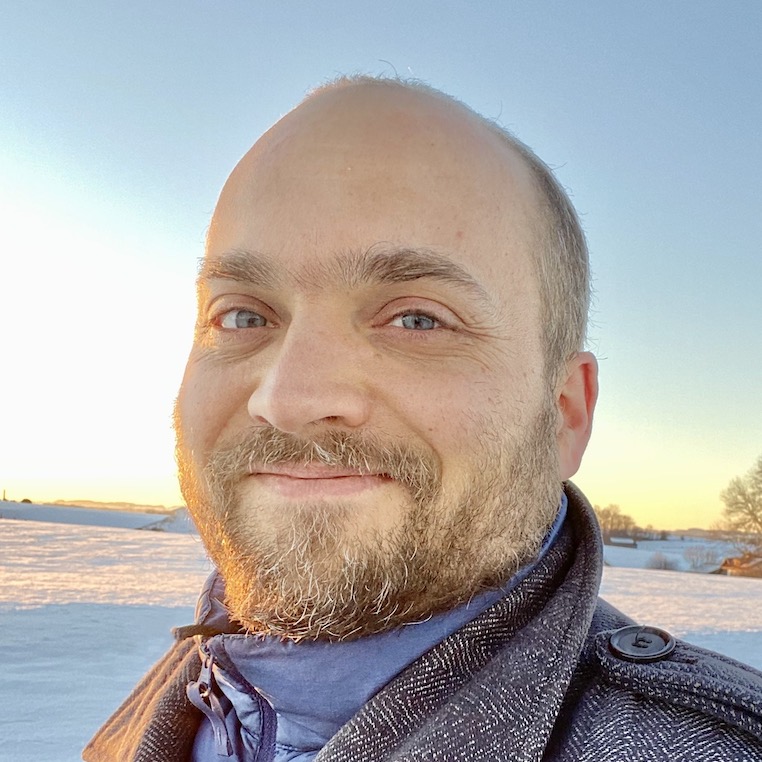
Founded and led by Kai Lossgott — artist and educator (MA Creative Writing, UCT & MA Art & Design Research, Sint Lucas, Antwerp).
Why I trust paper
I turned to journaling as a child — for refuge, and for meaning.
I have kept a journal ever since: through a new school I was dropped into as a teenager, a debilitating chronic illness at nineteen, years of building an art career on a kitchen table. Everything else came and went. The notebook stayed.
And it has held the joy just as faithfully — written down, day after day, as gratitude. The big turns are in there: coming through to a medication-free life; a prestigious art award, and a studio residency in Paris; years of travelling the world as an invited artist, representing my country. So are the small things that matter just as much — playing ‘Twinkle, Twinkle’ on a green plastic ukelele, a walk in the squishy wet earth with my eighty-year-old hippie friend, the quilt my mother made from my childhood drawings. All of it, set down as thanks.
That’s why I trust paper — not as a business idea, but because it kept me, and because I have watched it do the same for hundreds of others.
Transformation needs a home — on paper.
Where it began · and how it grew
Infocus began as a concept-development programme, commissioned by the BAT Centre in Durban in 2005, to address an exclusion. The language of the art world — art-speak — too often shuts out the people whose strength lives in their hands: makers, crafters, self-taught artists.
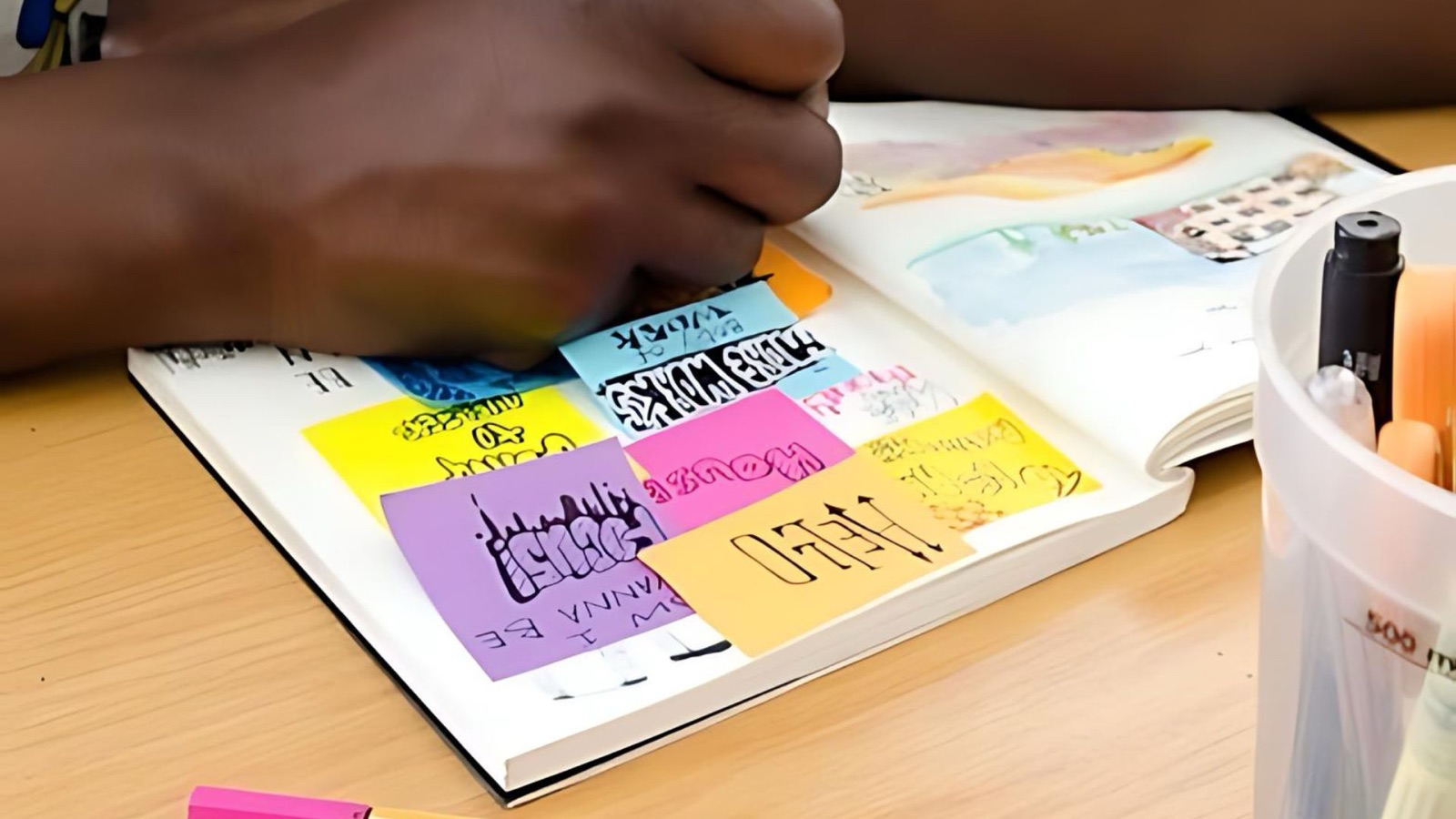
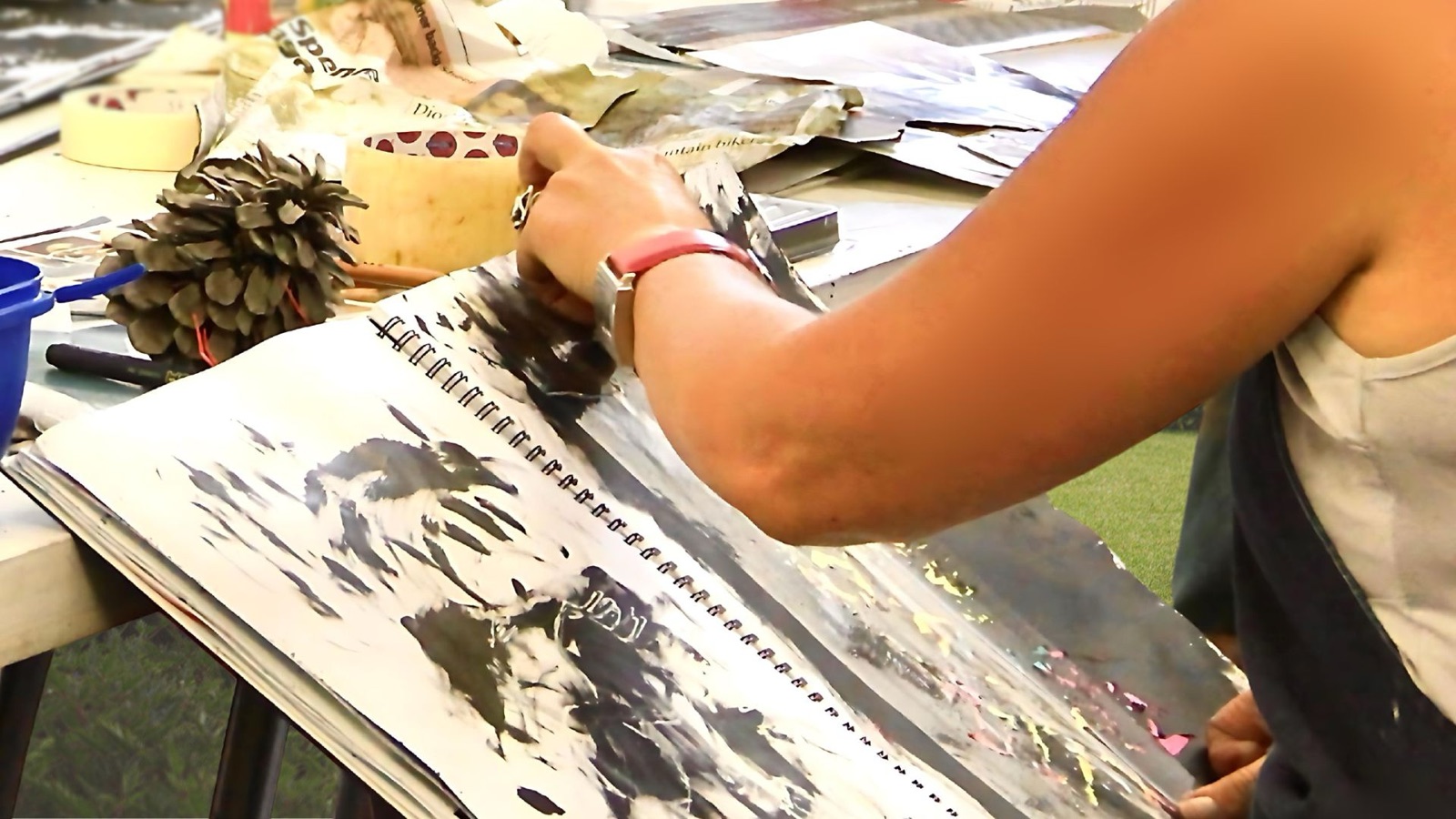
Learners often don’t know what they already know. Out of that came the concept journal: a hands-on method for creative inquiry and self-authorship — learning that lives in the body, not only the head.
What we still believe
The work has travelled two decades and two continents, but it still rests on the same four things:
Get it, on paper.
Practice, not therapy
Later programmes opened the work beyond the arts. All of us stay learners of our own lives — most of all in times of transition, uncertainty, and change.
We don’t frame this as therapy. It’s peer support and body doubling: we show up and do the work of self-discovery alongside each other — quiet and demanding, yes, but also delightful, often funny, and deeply rewarding. The method draws on Eugene Gendlin’s Focusing tradition — inquiry that begins from the felt sense, rather than from concepts handed to you from outside.
What we can promise you
We won’t hand you a five-step plan or tell you who to be. We’ll bring the prompt, the paper, and people who get it — and we’ll help you finish what you start and keep your creative spark alive, together. Come as you are. Leave with a little more of yourself.
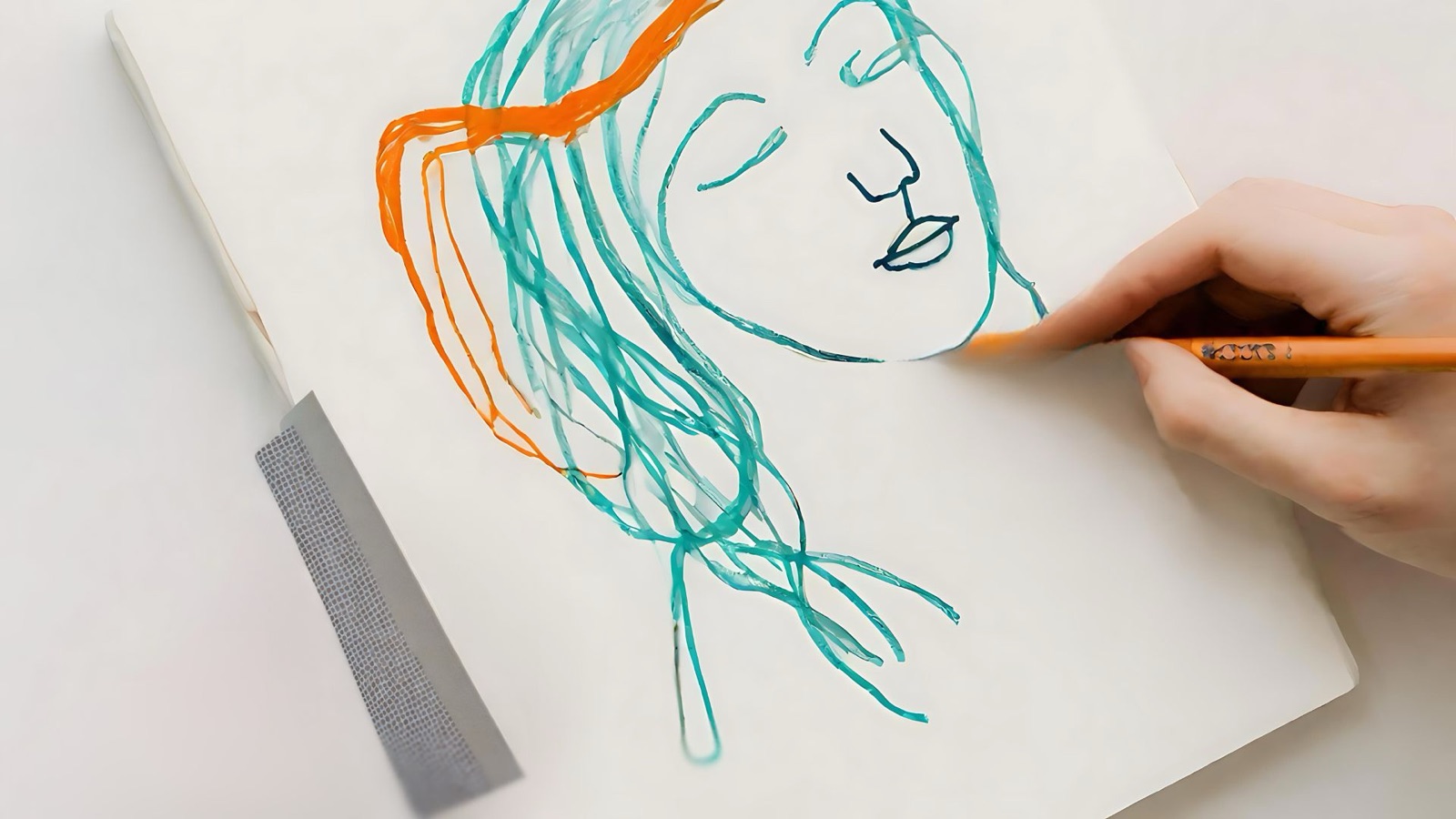
This is what it looks like